
1 year after Papua New Guinea declared itself Christian, bishops say little has changed

According to the EWTN News report, one year after Papua New Guinea (PNG) passed a constitutional amendment to formally declare itself a Christian nation, Catholic leaders suggest the change has been largely symbolic with little impact on the country's actual social or political issues.
The key points of the report include:
The Constitutional Change
The Amendment: In March 2025, PNG's Parliament voted 80–4 to amend the constitution's preamble to explicitly acknowledge the Trinity (God the Father, Jesus Christ, and the Holy Spirit) and recognize the Bible as a national symbol.
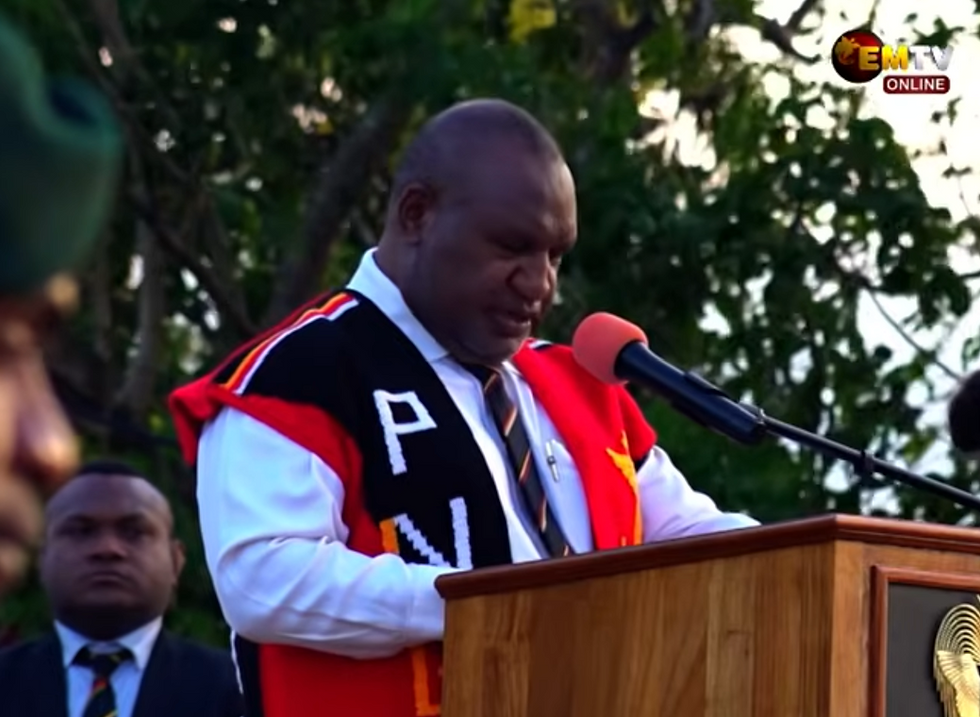
The Intent: Led by Prime Minister James Marape, the move was intended to anchor national identity in Christian values and recognize the historical role of churches in the nation's development.
Bishops' Critique and Concerns
Lack of Practical Change: Bishop Donald Lippert of Mendi noted that the amendment has had no concrete effect on parish life or the Church’s mission. He emphasized that the Church’s work in healthcare and education continues regardless of the constitutional language.
Religious Freedom Risks: Bishop Rozario Menezes of Lae and other leaders expressed concern that the amendment was "unnecessary and problematic." They warned it could eventually allow the state to interfere in religious affairs or marginalize minority faiths and those with no religious affiliation.
Contradictory Policy: Church leaders pointed to the government's removal of tax exemptions for churches as evidence that fiscal and political priorities (such as expanding state revenue) often take precedence over the new "Christian nation" status.
Social Issues Persist: Critics highlighted that the symbolic declaration has not addressed systemic issues such as corruption, tribal conflict, or violence related to sorcery accusations.
The Underlying Context
Denominational Tensions: Some Catholic leaders suggested the amendment was driven primarily by Protestant and Pentecostal movements (specifically the "Body of Christ" movement) rather than a unified consensus among all Christian denominations.
Identity vs. Legislation: The Catholic perspective remains that PNG was already a Christian country by culture and practice (with over 90% identifying as Christian), and that codifying it into law risks creating a "confessional state" that is anachronistic in the 21st century.

Read the full artivcle here...https://www.ewtnnews.com/world/asia-pacific/one-year-after-papua-new-guinea-declared-itself-christian-bishops-say-little-has-changed

Comments