
PNG governor warns outdated resource laws leave landowners in Melanesia at risk
Overview
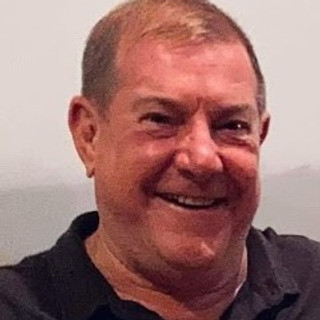
In an interview with In-depth Solomons at the Asia Pacific Forest Crime Network meeting in Cairns, Oro Provincial Governor Gary Juffa warned that Papua New Guinea (PNG) and Solomon Islands risk losing control of their natural resources to powerful foreign entities unless colonial-era resource laws are overhauled.
Key Points
Surface vs. Subsurface Ownership:
Across Melanesia, legal frameworks typically separate surface land rights from subsurface mineral and resource ownership. While customary landowners hold surface rights, the state claims ownership of underground resources and negotiates directly with developers, leaving communities with little say over major mining or logging ventures.
Colonial Legacy & Economic Independence:
Juffa argued that political independence has not translated into economic independence because the governing resource statutes remain holdovers from colonial rule. He pointed to PNG’s 2009–2010 mining law changes as an example of reforms enacted without sufficient public consultation.
Corporate Exploitation & "State Capture":
Juffa accused bad-faith operators of behaving like "criminal organisations" rather than genuine investors, alleging they use bribery, intimidation, and political donations to influence lawmakers and engineer a state of regulatory capture.
Relevance to Solomon Islands:
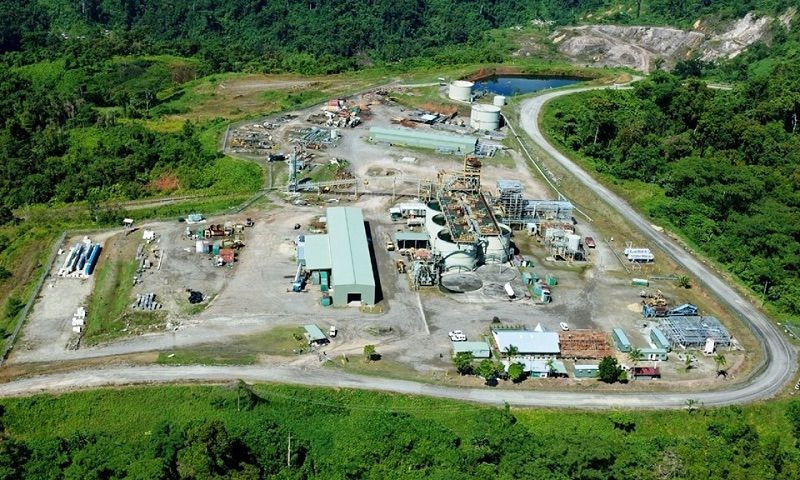
The warning arrives as the Solomon Islands Parliament debates the Mineral Resources Bill 2025. The Bills and Legislation Committee has urged deeper consultation with landowners—such as those around the Gold Ridge mine in Guadalcanal—before moving forward, as local communities demand greater benefit-sharing and stronger protections.

Comments